
Find Cheap Flights Part 7: Travel Rewards, Smart Planning & Essential Travel Tips

Finding cheap flights is only one part of traveling for less. Once you start looking at the bigger picture, smart planning, travel rewards, credit card benefits and a few simple strategies can potentially save you even more money.
In Part 7 of our Find Cheap Flights series, we're moving beyond airfare searches to explore ways to make your entire travel experience more affordable, comfortable and rewarding.
From becoming a digital nomad and using travel rewards to planning around peak periods, maximizing vacation days and preparing your smartphone for offline travel, here are tips 51 through 69.
51. Become a Digital Nomad
It certainly isn't for everyone, but one of the most immersive ways to experience another destination is to stay long enough to begin living more like a local.
Remote work has made this lifestyle possible for more people. Many destinations have also introduced visas or residence programs designed specifically for remote workers and digital nomads.
Instead of taking a short vacation once or twice a year, some travelers can work remotely while spending weeks or months exploring another country.
Before making the move, however, research visa rules, taxation, health insurance, accommodation costs and your employer's remote-work policies. Digital nomad requirements vary considerably from one destination to another.
52. Earn Valuable Travel Rewards
Travel rewards can significantly reduce the cost of future trips when they are used responsibly.
Depending on your country and the financial products available to you, some credit cards offer welcome bonuses in the form of airline miles, hotel points or flexible travel rewards after meeting specific spending requirements.
These bonuses can sometimes be redeemed toward flights, hotels and other travel expenses.
But rewards should never be an excuse to overspend. Credit card interest can easily eliminate the value of points and miles, so paying your statement balance in full and on time is essential.
53. Get Airport Lounge Access Through Travel Cards
Airport lounges can make long connections and international journeys much more comfortable.
Depending on the card and country, some premium travel cards include complimentary airport lounge passes or memberships that provide access to participating lounges.
Benefits vary considerably. Some cards provide only a limited number of visits each year, while others may provide broader access subject to their terms and conditions.
Before choosing a card specifically for lounge access, compare its annual fee with the value you are realistically likely to receive.
54. Use a Card With No Foreign Transaction Fees
International travelers should pay particular attention to foreign transaction fees.
Many payment cards charge an additional percentage when purchases are made in another currency. Over the course of a long international trip, those small charges can add up.
A card with no foreign transaction fee can therefore be useful for frequent international travelers.
Always check your card issuer's current exchange-rate and fee policies before traveling.
55. Make Sure You Have Travel Medical Insurance
Unexpected illness or injury abroad can become extremely expensive, particularly in destinations where your regular health coverage does not apply.
Travel medical insurance can provide coverage for eligible emergency medical expenses while you are away.
Some credit cards include travel medical insurance, but never assume that you are automatically covered. Coverage can depend on your age, destination, trip duration, residency and the specific terms of the insurance policy.
Read the certificate of insurance carefully before departure and consider separate coverage if your existing protection is insufficient.
56. Take Advantage of Other Travel Insurance Benefits
Medical insurance isn't the only travel-related protection that may be included with certain credit cards.
Depending on the card, benefits may include coverage for eligible trip delays, baggage delays, rental car damage, trip cancellation or interruption, purchase protection and extended warranties.
Conditions, exclusions, maximum reimbursements and payment requirements vary by provider.
Check the actual insurance documentation rather than relying only on a card's marketing summary.
57. Unlock Hotel Elite Status
Some premium or hotel-branded credit cards include automatic status with participating hotel loyalty programs.
Depending on the program and status level, benefits can potentially include room upgrades when available, bonus points, late checkout or other hotel privileges.
If you regularly stay with the same hotel group, these benefits can add meaningful value to your trips.
58. Make the Most of Additional Travel Perks
Travel rewards programs can offer much more than points.
Depending on the card or loyalty program, travelers may receive benefits such as free checked bags, priority boarding, annual hotel certificates, discounts, special offers or concierge services.
The important thing is to choose benefits that match the way you actually travel. An impressive perk has little value if you never use it.
59. Use Points for Business-Class Flights
If flying in a premium cabin is one of your travel goals, airline points and miles can sometimes provide far better value than paying the full cash fare.
Business-class tickets on long-haul routes can cost thousands of dollars. Depending on the airline program, availability, taxes and redemption rates, points can make these experiences more accessible.
Award availability can be limited, so flexibility with your travel dates, departure airports and destinations can make a major difference.
Always compare the points required, taxes and fees with the equivalent cash price before deciding whether a redemption offers good value.
Useful Gear for International Travelers
A few practical accessories can make international trips easier to manage.

Keep compatible electronics charged while traveling internationally with a practical multi-country adapter.
Check Price on Amazon
Keep your passport, travel cards and important documents organized while you're on the road.
Check Price on AmazonAs an Amazon Associate, this site may earn from qualifying purchases.
60. Maximize Rewards on Everyday Spending
Welcome bonuses aren't the only way to earn travel rewards. Everyday purchases can also generate points or miles.
Some rewards programs provide higher earning rates for categories such as groceries, dining, transportation or travel.
If you already make these purchases, using the appropriate rewards card and paying the balance in full can help you gradually accumulate more points without increasing your spending.
Online shopping portals and loyalty program promotions can sometimes provide additional opportunities to earn rewards.
61. Plan Your Trip Ahead
Planning ahead is one of the simplest ways to improve your chances of traveling for less.
Last-minute airfare is not automatically cheaper. On many routes, waiting until just before departure can leave you with fewer choices and expensive fares.
Starting your search earlier gives you time to monitor prices, compare airports, adjust dates and wait for a fare that fits your budget.
It also gives you more time to research affordable accommodation and transportation at your destination.
62. Avoid Peak Travel Periods When Possible
Airfares and accommodation prices often rise when demand is highest.
School holidays, major festivals, Christmas and New Year, summer vacations and other popular travel periods can therefore be more expensive.
If your schedule is flexible, traveling during shoulder season can provide an excellent compromise between price, weather and crowd levels.
Even shifting a trip by a few days can sometimes make a noticeable difference.
63. Don't Book Non-Refundable Accommodation First
Locking yourself into non-refundable accommodation before booking your flight can reduce your flexibility.
Airfare can vary dramatically between different departure dates, while accommodation may provide more flexible cancellation options.
When possible, compare flight prices first or choose refundable accommodation while your transportation plans are still flexible.
That way, you won't necessarily be forced to buy an expensive flight simply because your hotel dates can no longer be changed.
64. Calculate Your Real Travel Budget
The true additional cost of taking a trip may sometimes be lower than the headline total suggests.
Why? Because even when you're at home, you're already spending money on groceries, transportation, entertainment and other everyday expenses.
When building your travel budget, separate expenses that are genuinely additional from expenses that simply replace what you would have spent at home.
This approach gives you a more realistic picture of how much extra money you actually need to save for the trip.
65. Take Advantage of Long Weekends
Money isn't always the biggest obstacle to traveling more. For many people, the real limitation is time.
Long weekends provide an opportunity to travel without using a large portion of your annual vacation allowance.
Choose destinations that are relatively easy to reach and avoid spending most of a short trip in transit.
A three- or four-day getaway can be enough to discover a nearby city, region or even another country.
66. Use Your Vacation Days Strategically
A little calendar planning can dramatically increase the amount of continuous time you have away from work.
Instead of taking vacation days randomly, look at your country's public holidays and identify opportunities to combine them with weekends and a small number of vacation days.
For example, taking a few days immediately before or after a public holiday can sometimes create a much longer break.
Because public holiday calendars change from year to year and differ between countries, review your calendar at the beginning of each year and plan strategically.
67. Check Visa and Entry Requirements Before You Travel
Never assume that a passport alone is enough to enter another country.
Depending on your nationality and destination, you may need a traditional visa, eVisa, electronic travel authorization or another form of entry approval.
Some destinations also require passports to remain valid for a specific period beyond the date of arrival or departure. Others may require blank passport pages, proof of onward travel, sufficient funds or specific health documentation.
Entry rules can change, so verify the latest requirements through official government or immigration sources and check relevant airline requirements before departure.
68. Research Your Itinerary and Transportation
Good preparation can save both money and valuable vacation time.
Before leaving, research how you will travel between airports, cities and attractions. Compare trains, buses, local flights, public transportation and other available options.
Official tourism websites, transportation operators, recent travel resources and maps can help you understand what is realistically possible.
You can also examine organized tour itineraries for inspiration and then adapt the ideas to your own interests, budget and preferred pace if independent travel is appropriate for the destination.
Leave some flexibility in your itinerary as well. Good planning should make travel easier, not turn every hour of your vacation into an appointment.
69. Download Google Maps and Google Translate for Offline Use
Your smartphone can be one of your most useful travel tools, but you shouldn't assume you'll always have reliable internet access.
Before departure, download relevant areas in Google Maps for offline navigation where this feature is supported.
You can also download the languages you expect to use in Google Translate when offline language support is available.
These simple preparations can be extremely useful when you arrive without mobile data, lose your connection or travel through areas with poor coverage.
Save important addresses, accommodation details and transportation information offline as well, so essential information remains accessible even without an internet connection.
Travel Smarter, Not Just Cheaper
Finding a cheap flight is a great start, but truly affordable travel comes from looking at the entire journey.
Travel rewards can reduce certain costs, flexible planning can help you avoid expensive dates, and good preparation can prevent unnecessary expenses once you're abroad.
The objective isn't to use every strategy at once. Start with the tips that fit your travel style, financial situation and destination.
The more you learn to combine affordable flights with smart planning, useful travel benefits and flexible itineraries, the easier it becomes to make your travel budget go further.
And remember: the cheapest trip isn't necessarily the best trip — the goal is to get more value from the money you choose to spend.
Travel Essentials for Your Next Trip
Two useful accessories to consider before your next international journey.
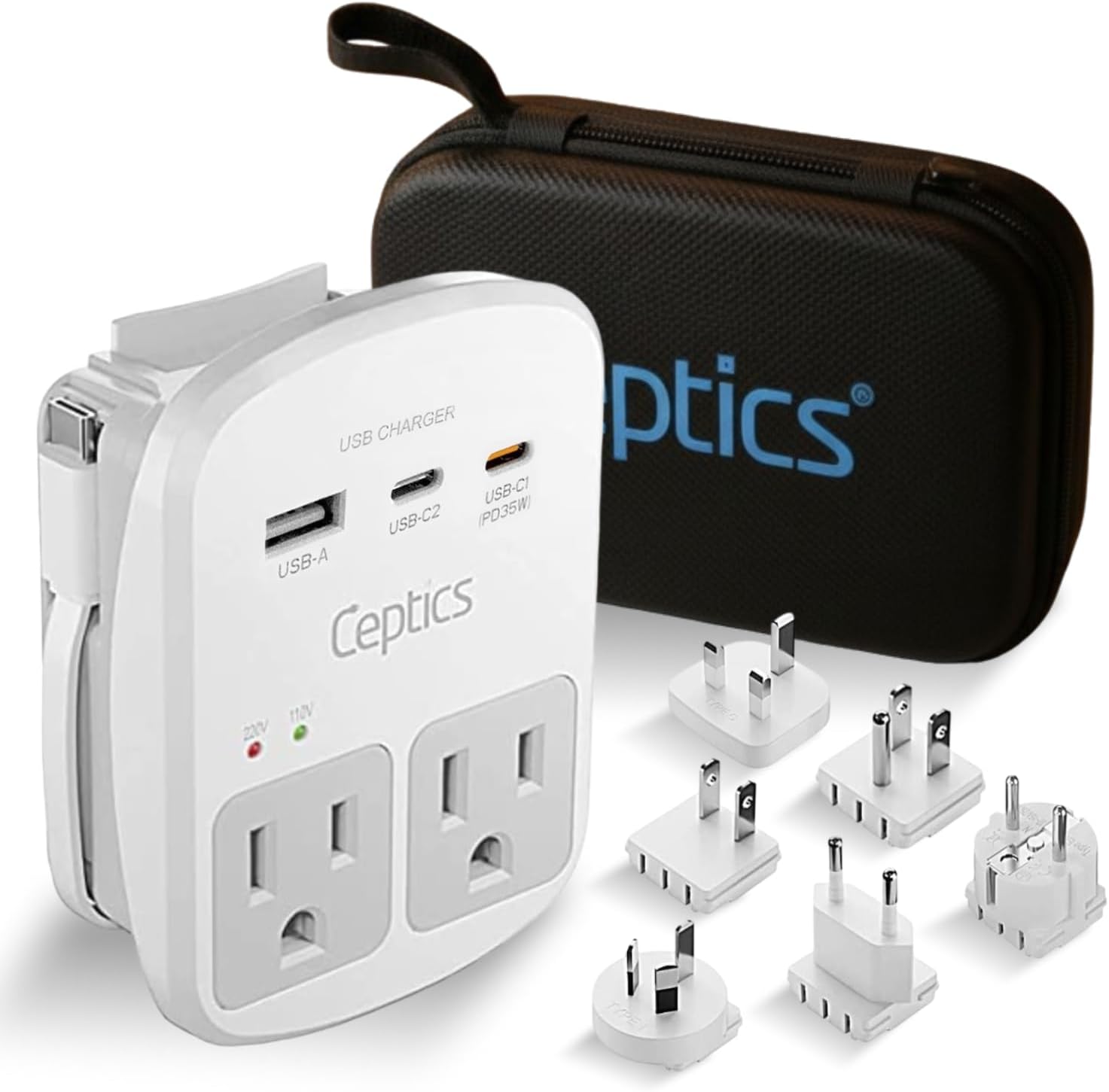
A convenient international adapter for keeping compatible devices powered while traveling between countries.
Buy on Amazon →
Keep your phone and other compatible devices powered during long flights, connections and days away from an outlet.
Buy on Amazon →As an Amazon Associate, this site may earn from qualifying purchases.