

Immersive Guide to African Traditions: A Unique Cultural Journey with A.S.B.L. Teroubi
Africa is a land of immense diversity, rich in history, cultures, and traditions that vary deeply from one region to another, and even from one community to another. Far from monolithic clichés, every ethnic group possesses its own rituals, lifestyle, and worldview.
Do you dream of exploring this cultural mosaic without necessarily crossing borders right away? That is what A.S.B.L. Teroubi, based in Brussels (Belgium), invites you to do, serving as a true cultural bridge. Let us embark together on a colorful journey through some of the most fascinating traditions of African culture.
1. Dance and Music: Universal Everyday Languages
Dance, a Vehicle for Expression and Cohesion
In Africa, dance goes far beyond mere entertainment: it is at the heart of daily life and serves as a full-fledged mode of expression. Whether traditional dances driven by ancestral percussions or more blended urban movements, dance is inseparable from life's major milestones (harvests, births, coronations). It tells the story of a people, transmits values, or simply celebrates the joy of being together.
Music and Songs: Memory and Celebration
Whether celebrating a happy event or honoring the memory of ancestors, music and song hold a special place. Traditional instruments—such as the West African kora, the djembe, or balafons—narrate epic tales. In Brussels, organizations like A.S.B.L. Teroubi offer opportunities to discover these sounds through immersive workshops that bring cultures closer together.
2. Marriage and Its Sacred Rites: Uniting Two Families
Marriage in Africa is much more than a simple union between two individuals: it is a sacred alliance between two families and lineages.
The Preludes and the Dowry: It remains very common to make an official proposal to the future bride’s family. This traditionally comes with a "dowry" (often in the form of symbolic gifts, goods, or customary dues depending on the country). More than just a transaction, it is a pledge of respect and an ideal opportunity for both families to get acquainted and organize the festivities.
Celebration Rituals: On the wedding day, ceremonies abound with meaningful rituals. These include libations (offerings to ancestors or the earth to seek blessings), reconciliation traditions, or the festive gesture of showering the couple with money to wish them prosperity and abundance.

3. Spirituality, Ancestral Traditions, and Figures of Wisdom
Spiritual Practices and Traditional Healers
While many monotheistic and Christian religions are deeply rooted across the continent today, endogenous spiritualities and ancestral practices continue to play an important role. In several regions, specialized markets or spaces exist dedicated to traditional pharmacopoeia and ritual items. Many people place their trust in healers and herbalists for healing, seeking guidance, or accompanying their prayers.
Absolute Respect for Elders
Elders occupy a foundational and essential position within African society. As living libraries, they embody wisdom and collective memory. Showing them unyielding respect is a golden rule: they are cared for throughout their lives, and this reverence continues even after death through invocations during life's major milestones.
4. Gastronomy: A Culinary Tradition of Sharing
African cuisine stands out for its great variety and use of rich local ingredients: starches, cassava, yams, plantains, and of course, rice.
Emblematic Dishes: A culinary journey wouldn't be complete without mentioning the famous Senegalese thieboudienne (fish and rice), Ivorian attieke, or rich peanut-based and cassava leaf sauces found in Central Africa.
The Spirit of Sharing: Food is a strong social act. Meals are often shared collectively around a single dish, fostering conviviality. Furthermore, open-air barbecues and grilling play a central role during neighborhood gatherings and moments of relaxation.
5. Clothing, Jewelry, and Hairstyles: The Art of Wearing Identity
In Africa, visual appearance is a language. Traditional clothing and jewelry are typically very colorful, vibrant, and expressive.
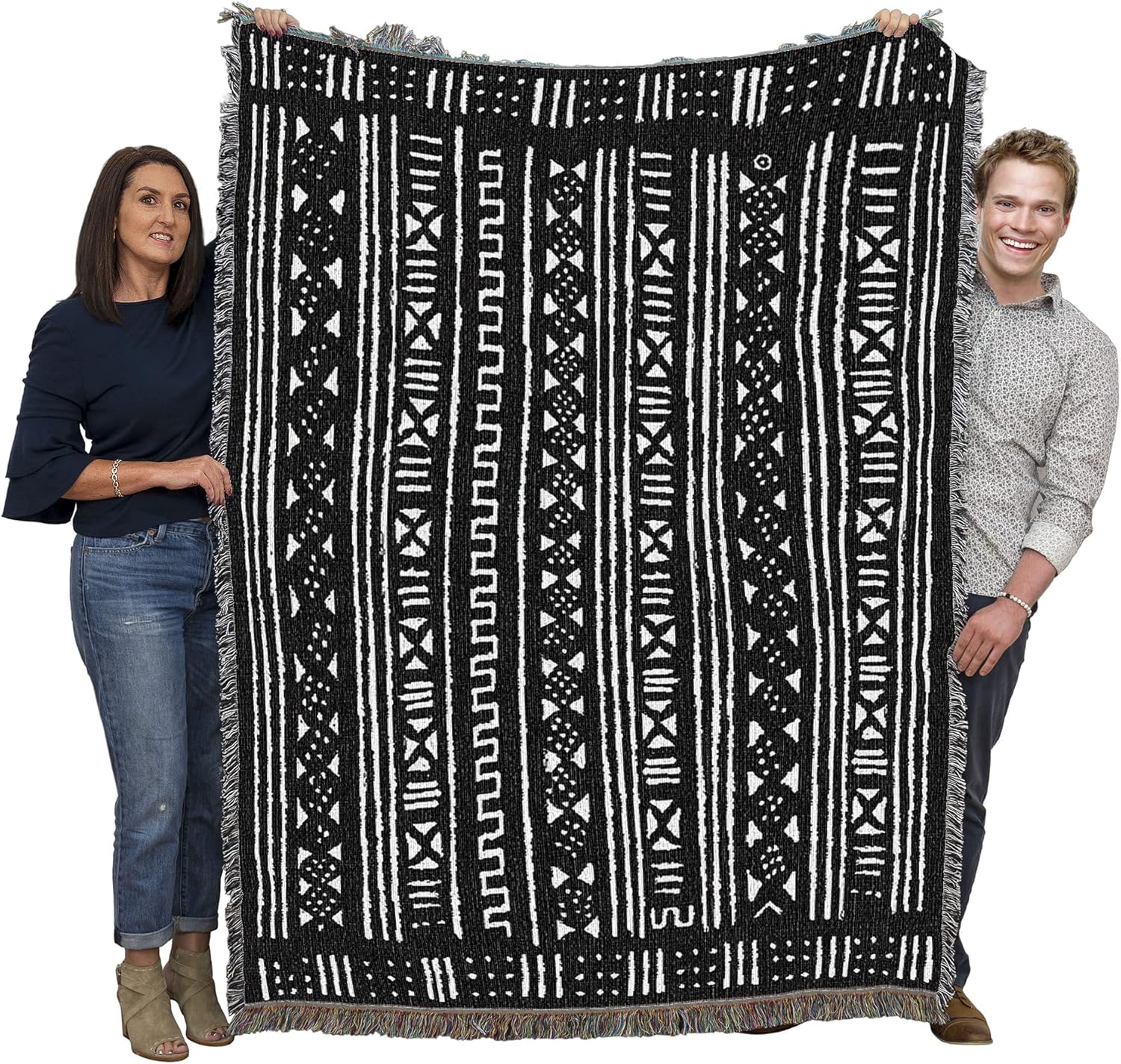
Signature Textiles: One immediately thinks of woven fabric, Malian bogolan (mudcloth), Ghanaian kente, or wax print. Each fabric carries its own patterns, codes, and history.
Expressive Hairstyles: Just like adornments, traditional hairstyles are true works of art. They indicate membership in a specific ethnic group, a marital status, social standing, or mark life events (mourning, celebration).

