
The Group Stages are Ending: Prepare Your World Cup 2026 Knockout Itinerary Now!
The final whistles of Matchday 3 are blowing across North America, bringing a dramatic end to the calculated, predictable rhythm of the group stages. The initial euphoria of arriving in your first host city, settling into your hotel, and enjoying the local Fan Zones is officially over. The tournament is now violently shifting into its most ruthless, thrilling, and unforgiving phase: the single-elimination knockout stages. For the players on the pitch, the margin for error has completely vanished. For the traveling international fans, the true logistical marathon is just beginning.
Gone are the days of safely booking a comfortable, predictable two-week stay in a single host city. Following your national team deep into the knockout bracket is a chaotic, fast-paced geographic puzzle that requires extreme agility and proactive planning. With the unprecedented scale of the 2026 tournament, waiting until your team's match officially ends to figure out your next destination is a guaranteed recipe for exorbitant prices and sold-out flights. If you want to follow your squad all the way to the grand final in New York/New Jersey, you need to prepare your World Cup 2026 knockout stage itinerary now. Here is your ultimate survival guide to successfully navigating the wildly unpredictable Round of 32 and beyond.
1. The Bracket Chaos: Navigating the Round of 32 Logistics
To successfully survive the upcoming weeks of travel, you must first fully understand the massive, historic shifts in how this specific tournament operates. The 2026 knockout phase is a logistical beast unlike anything the football world has ever seen.
Decoding the New 48-Team Format
This is the first-ever 48-team FIFA World Cup, which introduces a massive, unprecedented round: the Round of 32. In previous 32-team tournaments, the math was incredibly simple—the top two teams from each group neatly slotted into a predetermined, easy-to-read bracket. The 2026 format, however, introduces a massive wildcard that shatters that predictability: the qualification of the eight best third-placed teams.
Because the final bracket depends heavily on which specific third-placed teams qualify across all twelve groups, the exact matchups and host city locations for the Round of 32 remain heavily shrouded in mystery until the absolute final minute of the group stages. Goal differences, yellow card accumulations, and late equalizers in a completely different group can instantly alter your travel destiny. You might have less than 72 hours to figure out where your team is playing next. You can no longer rely on a simple "A1 vs B2" formula. As a traveling fan, you must proactively map out multiple potential scenarios right now. If your team finishes first, you might be heading to the spectacular SoFi Stadium in Los Angeles. If they stumble into a third-place qualification, you could be scrambling to book a last-minute, expensive flight to Atlanta or Boston.
The Geographic Challenge: Crossing Borders
The sheer physical scale of the 2026 World Cup is geographically massive, spanning three massive countries: the United States, Canada, and Mexico. This is not like traveling by high-speed train between neighboring European cities; this is a rigorous continental expedition spanning multiple time zones and drastically different climates.
Let’s look at a highly realistic scenario. Your national team just wrapped up their group stage matches in the relatively cool, rainy climate of Seattle or Vancouver. Depending entirely on their final group standing, their Round of 32 fixture could suddenly require a 2,500-mile, cross-continental flight to the sweltering, humid heat of Monterrey, Mexico, or a transatlantic-length journey all the way down to Miami, Florida.
Crossing international borders on such incredibly short notice introduces major logistical hurdles. Traveling fans must mentally, physically, and financially prepare for these drastic geographic leaps. You must ensure your passport is easily accessible at all times, double-check that your electronic travel authorizations (like the ESTA for the USA or the eTA for Canada) allow for multiple re-entries, and immediately start tracking major airline hubs (like Dallas/Fort Worth or Atlanta) that offer the best connections between the three host nations. The fans who anticipate the geography are the ones who will make it to the stadium on time.
2. Securing Your Travel & Accommodation on Short Notice
The exact moment the referee blows the final whistle and your team's qualification is mathematically secured, tens of thousands of your fellow countrymen will simultaneously pull out their smartphones and open their travel apps. Within minutes, airline pricing algorithms will aggressively spike airfares, and hotel inventory will completely vanish. Surviving this ruthless digital gold rush requires strategy, flexibility, and a willingness to think outside the traditional travel box.

Mastering Last-Minute Flights
Booking a direct flight into a major World Cup hub like Los Angeles International (LAX) or John F. Kennedy (JFK) three days before a knockout match is a financial nightmare. To outsmart the massive crowds and the punishing airline algorithms, you must master the art of utilizing secondary regional airports.
If your team is scheduled to play at SoFi Stadium in Los Angeles, aggressively search for flights landing in Hollywood Burbank Airport (BUR) or John Wayne Airport (SNA) in Orange County. If your destiny lies at Hard Rock Stadium in Miami, Fort Lauderdale-Hollywood International Airport (FLL) is a highly efficient, closely connected alternative that is often significantly cheaper. Furthermore, elite traveling fans do not wait for the final whistle. The smartest strategy is to book fully refundable tickets to the two most likely host cities the day before your group stage finale. Once the bracket is officially confirmed, you simply keep the winning flight and instantly cancel the other for a full refund, completely bypassing the catastrophic last-minute price surges.
Accommodation Hacks for Sold-Out Cities
Finding an affordable hotel room in downtown Vancouver or central Manhattan during a knockout round weekend is essentially impossible; FIFA corporate sponsors, national delegations, and wealthy VIPs book these prime locations years in advance. If you desperately search for accommodations adjacent to the stadium, you will be met with astronomical prices that can easily bankrupt your travel budget.
The ultimate accommodation hack is mapping out the host city's commuter rail networks. You do not need to sleep near the stadium; you just need to sleep near a reliable train line that goes to the stadium. For example, if you are attending a Round of 16 clash at MetLife Stadium in New York/New Jersey, completely ignore Manhattan. Instead, look for budget-friendly Airbnbs or business hotels deep in New Jersey towns like Secaucus or Hoboken, which sit directly on the NJ Transit train lines. If your match is at AT&T Stadium in Dallas, book a room in neighboring Fort Worth and utilize the regional rail. By sacrificing a downtown zip code, you will save hundreds of dollars while still guaranteeing a stress-free commute on match day.
3. The Knockout Stage Survival Toolkit
Transitioning from a relaxed, two-week group stage vacation into a high-speed, cross-continental knockout stage chase completely changes what you need in your daily travel inventory. You are no longer a tourist; you are a highly mobile sporting operative.

Seamless Border Crossings with Regional Connectivity
When you are rapidly bouncing between Toronto, Los Angeles, and Mexico City within a single week, losing your cellular data connection is not just an inconvenience—it is a catastrophic travel failure. Your entire knockout stage survival depends on real-time digital information: live flight delay updates, requesting an Uber at 2:00 AM in a foreign city, and, most importantly, accessing your digital FIFA match tickets at the stadium security gates.
Relying on your home country's aggressively overpriced, heavily throttled international data roaming plans across three different nations will severely drain your bank account. Furthermore, aggressively hunting for insecure, public airport Wi-Fi to load Google Maps while rushing to passport control is a massive waste of precious time. The absolute most critical tool for this phase of the tournament is a reliable, multi-country regional travel eSIM. By installing a North American eSIM before you board your flight, your phone will instantly and seamlessly connect to the strongest local 5G networks the second your plane touches down in Canada, the USA, or Mexico.
🌎 One eSIM for USA, Canada & Mexico
Don't lose connection when crossing borders! Get instant, high-speed 5G data across all three host countries with a Regional North America Airalo eSIM:
Packing Light for Rapid Transit
During the chaotic Round of 32, checking a large suitcase into the cargo hold of an airplane is an absolute rookie mistake. When flight schedules are disrupted by summer thunderstorms, airlines notoriously lose checked luggage. Moreover, standing around a crowded baggage carousel for forty-five minutes while thousands of other fans are simultaneously rushing to the rental car counters or taxi ranks puts you at a massive logistical disadvantage.
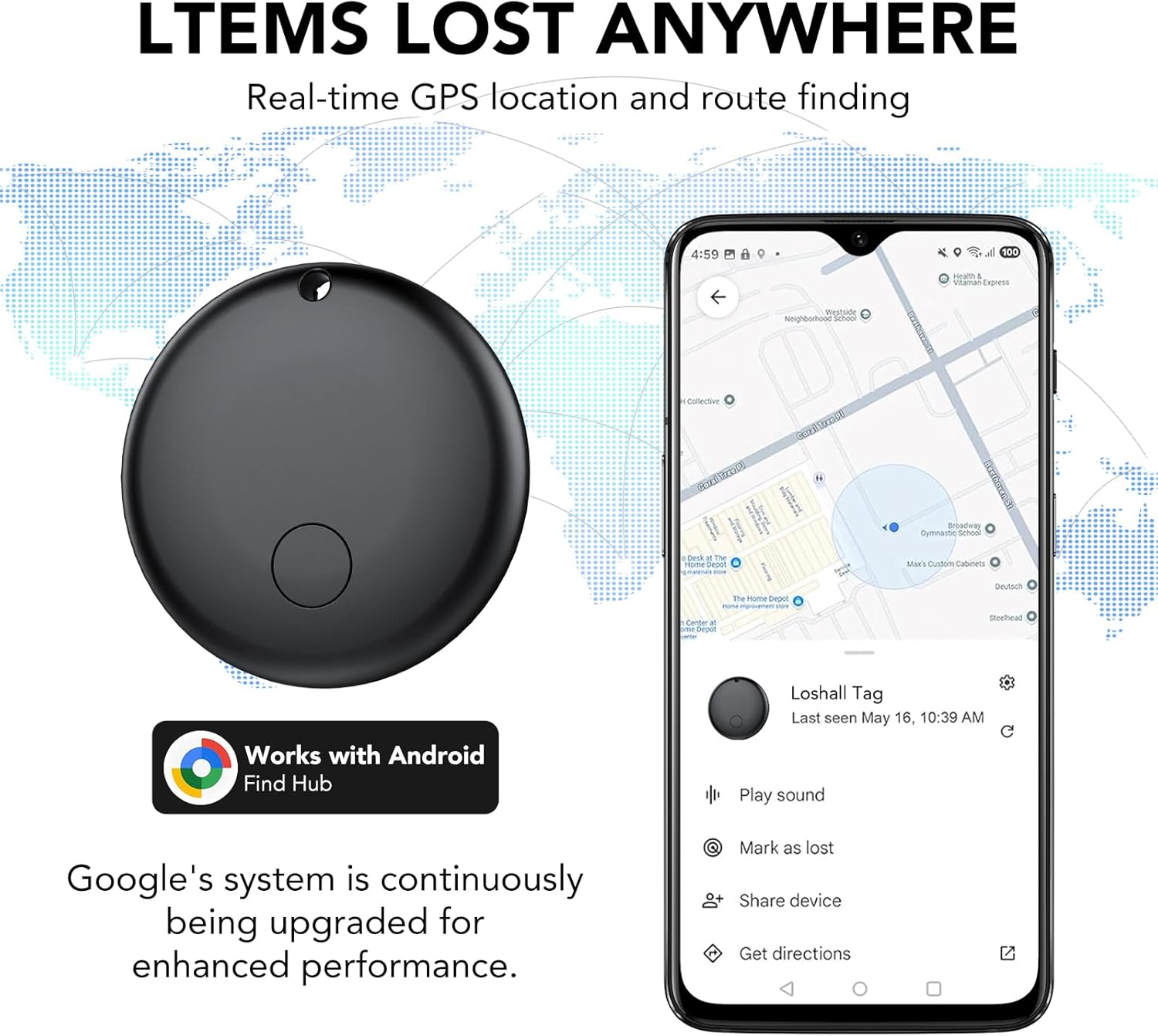
To survive the knockout stages, you must become a strictly carry-on traveler. Investing in a high-quality, maximum-legal-size travel backpack allows you to bypass the check-in counters entirely, sprint through customs, and navigate crowded subway stations with your hands completely free. Roll your national team jerseys to save space, rely on hotel laundry services, and secretly slip a Bluetooth tracking device (like an Apple AirTag) into your bag for ultimate peace of mind. In the frantic race to the World Cup Final, speed and mobility are your greatest assets.

Conclusion: The Road to the Final Starts Now
The World Cup knockout stages are the ultimate test of resilience—not just for the world-class athletes grinding it out on the pitch, but for the dedicated supporters navigating the intense travel logistics. The unpredictability of the Round of 32 means you must trade the comfort of a fixed itinerary for the thrill of the chase. Agility, smart packing, and digital readiness are what separate the fans who make it to the kickoff from those who get left behind at the airport gate.
Embrace the absolute chaos of this historic 48-team tournament. By packing exclusively in a carry-on, utilizing secondary airports, and guaranteeing your multi-country mobile data is active the moment you land, you will outmaneuver the crowds and save your energy for what truly matters: cheering your national team on to victory.
Are You Ready for the Knockout Chaos?
Which host city is your team heading to for the Round of 32? Drop your travel plans and bracket predictions in the comments below! Be sure to share this essential survival guide with your travel squad, and grab your regional North America eSIM and 40L travel backpack today so you are fully prepared for the road to the final!