
The Ultimate 2026 World Cup Travel Guide: Best Destinations to Visit Between Matches
The 2026 FIFA World Cup is not just a global football tournament; it is an unprecedented continental festival. With 48 nations battling it out across 16 host cities spread throughout the United States, Canada, and Mexico, traveling fans are gearing up for the ultimate North American adventure. However, any seasoned football supporter knows that the true magic of a World Cup trip often lies in the "rest days." Between the adrenaline-fueled 90 minutes of chanting inside colossal stadiums, you will find yourself with two to three days of glorious free time.
Sitting in a hotel sports bar waiting for the next kickoff is a massive missed opportunity. This vast, diverse continent offers some of the most breathtaking natural wonders, iconic historical landmarks, and vibrant cultural hubs on the planet. Whether you are craving the serene beauty of majestic waterfalls, the cinematic allure of coastal highways, or the deep historical roots of ancient ruins, this tournament is your golden ticket to check off your ultimate travel bucket list. Here is your comprehensive guide to the absolute best tourist destinations to explore between two World Cup matches.
1. The East Coast Classics: History, Megalopolises, and Natural Wonders (USA & Canada)
The Northeastern corridor of North America is an absolute logistical dream for traveling fans. Boasting a high density of host cities—Toronto, Boston, New York/New Jersey, and Philadelphia—this region allows for seamless, short-distance travel. But beyond the neon lights and towering skyscrapers, the East Coast holds some of the continent's most profound historical and natural treasures.

The Niagara Falls Detour
If your team is bouncing between group stage matches at BMO Field in Toronto and the colossal MetLife Stadium in New Jersey, skipping Niagara Falls is an unforgivable travel sin. Located perfectly on the international border separating the Canadian province of Ontario from Upstate New York, this thunderous natural wonder is a highly rewarding, easy detour. From Toronto, it is merely a scenic 90-minute drive around the western edge of Lake Ontario.
Instead of stressing over your team's defensive lineup, spend your off-day feeling the raw, deafening power of the Horseshoe Falls. Book a spot on the iconic Maid of the Mist (on the US side) or the Hornblower (on the Canadian side) boat tours to get completely drenched by the roaring mist. For a more sophisticated afternoon, the nearby Niagara-on-the-Lake region offers world-class vineyards and ice-wine tastings, providing a perfect, tranquil escape before you dive back into the chaotic energy of the World Cup Fan Zones.
Washington D.C. & The American History Trail
For fans stationed at Lincoln Financial Field in Philadelphia or MetLife Stadium in New York, the ultimate cultural side-trip lies just a short train ride away. Jumping on the high-speed Amtrak Acela train will drop you directly into the heart of Washington D.C. in less than two hours from Philly. The capital of the United States is essentially a massive, majestic open-air museum, making it the perfect two-day itinerary between knockout stage matches.
The greatest advantage for budget-conscious fans? The best attractions are completely free. You can spend an entire day strolling down the two-mile stretch of the National Mall, marveling at the towering Washington Monument, reflecting at the Lincoln Memorial, and snapping photos of the Capitol Building. Furthermore, the globally renowned Smithsonian Institution offers unparalleled museums—such as the National Air and Space Museum and the National Museum of Natural History—without charging a single dollar for admission. Transitioning from the face-painted, roaring crowds of a football match to the quiet, monumental halls of American history creates a profoundly balanced and unforgettable travel experience.
2. West Coast Wonders: National Parks and Hollywood Glamour (USA)
The American West Coast is a sun-drenched playground of technological innovation, entertainment royalty, and absolutely jaw-dropping geography. If the World Cup draw places your national team in California, you have effectively won the tourism lottery. The contrast between the hyper-modern stadiums and the ancient, rugged landscapes provides a travel experience unlike anywhere else on earth.

The Pacific Coast Highway (Route 1)
Are you traveling between a tense group stage match at Levi's Stadium in the San Francisco Bay Area and a knockout fixture at the spectacular, billion-dollar SoFi Stadium in Los Angeles? Do not make the mistake of booking a generic, one-hour internal flight. Instead, rent a convertible, drop the top down, and tackle the legendary Pacific Coast Highway (Highway 1).
This winding, cliff-hugging road is widely considered the most cinematic and famous scenic drive on the planet. Starting your journey from the north, you can stop for incredible fresh seafood in the historic town of Monterey, cruise over the structurally stunning Bixby Creek Bridge, and navigate the dramatic, fog-kissed coastlines of Big Sur where the mountains plunge directly into the roaring Pacific Ocean. As you push further south towards Los Angeles, the rugged landscape softens into the sun-soaked, glamorous, celebrity-filled beaches of Santa Barbara and Malibu. It is a multi-day road trip that transforms a simple transit requirement into the crown jewel of your World Cup itinerary.
Yosemite National Park
The sheer sensory overload of 70,000 screaming football fans, combined with the endless parties in the Fan Zones, can be physically and mentally exhausting. If you need a profound reset between matches, look no further than Yosemite National Park. Located just a four-hour drive inland from San Francisco, Yosemite is an ancient, monumental cathedral of nature.
Leaving the concrete grids and tech-hubs of Silicon Valley behind, you will be thrust into a pristine, high-altitude wilderness dominated by towering granite monoliths like El Capitan and the globally recognized Half Dome. Spend your rest days hiking through the misty, pine-scented trails of Yosemite Valley, marveling at the cascading power of Yosemite Falls, and walking among the giant, ancient sequoia trees—some of the largest and oldest living things on earth. It is a humbling, majestic contrast to the modern architectural giants hosting the tournament.
3. The Pacific Northwest & Canadian Rockies: Pure Wilderness (Canada & USA)
Up in the upper-left corner of the continent, the host cities of Vancouver and Seattle offer a completely different flavor of North American geography. Here, the deep blue ocean meets towering alpine peaks, creating an absolute paradise for outdoor enthusiasts and thrill-seekers who prefer hiking boots over city sneakers.
Whistler and the Sea-to-Sky Highway
Vancouver’s BC Place is situated in one of the most naturally stunning urban centers in the world. But to truly experience the wild, untamed heart of British Columbia, you must venture north. Rent a car and embark on the Sea-to-Sky Highway (Highway 99), a mesmerizing 90-minute coastal drive that sweeps dramatically upwards from the ocean into the rugged Coast Mountains.
Your destination is Whistler, a globally renowned alpine resort town that hosted the 2010 Winter Olympics. Even in the heat of the summer during the World Cup, Whistler is a high-altitude playground. Fans can ride the record-breaking Peak 2 Peak Gondola—a mind-blowing engineering marvel spanning across two massive mountain peaks—or rent a mountain bike to tackle world-class alpine trails. End your adrenaline-filled day with a cold local craft beer in the vibrant, pedestrian-only village before heading back down to sea level for the next match.
Mount Rainier & Olympic Peninsula
Just a few hours south across the border, Seattle offers an equally impressive roster of natural excursions. Lumen Field is famous worldwide for its deafening crowd noise, but the surrounding Washington State geography is famous for its breathtaking, silent wilderness. On a clear day inside the stadium, you can literally see the massive, glaciated peak of Mount Rainier looming in the distance.
Take a day trip to Mount Rainier National Park to hike through vibrant subalpine wildflower meadows with the massive 14,410-foot active volcano serving as your dramatic backdrop. If you have an extra 48 hours between games, head west to the Olympic Peninsula. This highly unique UNESCO World Heritage site is a geographical anomaly, allowing you to explore the moody, driftwood-strewn Pacific coastline and walk through the moss-draped, ancient trees of the Hoh Rain Forest—one of the largest temperate rainforests in the world—all in the exact same day.
4. Southern Sunshine and Tropical Vibes (USA)
The southern host cities of the United States—Miami, Atlanta, Houston, and Dallas—bring intense summer heat, world-famous hospitality, and rich, distinct cultural flavors. If your World Cup journey takes you through the South, you have the perfect excuse to trade your soccer cleats for flip-flops or cowboy boots, experiencing a brilliantly vibrant side of North America.

The Florida Keys & Everglades
If you are based in Miami to catch a match at the neon-lit Hard Rock Stadium, you are already sitting on the edge of a tropical paradise. However, escaping the bustling city limits offers two completely contrasting, world-class excursions. Just a short drive west of Miami lies Everglades National Park, a massive, slow-moving "River of Grass." Book a thrilling, high-speed airboat tour to glide over the swamps and come face-to-face with wild American alligators in their natural habitat.
For a completely different vibe, rent a car and head south onto the Overseas Highway (U.S. Route 1). This jaw-dropping, 113-mile engineering marvel connects the Florida Keys, featuring 42 bridges that carry you directly over the sparkling turquoise waters of the Atlantic Ocean and the Gulf of Mexico. Drive all the way down to Key West, the southernmost point of the continental US, to enjoy legendary sunsets at Mallory Square, eat authentic Key Lime Pie, and recover from match-day hangovers with a snorkeling trip along the only living coral barrier reef in North America.
New Orleans, Louisiana
Geographically situated right between the host cities of Atlanta (Mercedes-Benz Stadium) and Houston (NRG Stadium), New Orleans is the ultimate cultural detour. Known universally as the "Big Easy," this city is a melting pot of French, African, and American cultures, famous worldwide for its historic architecture, vibrant live music, and unparalleled culinary scene.
Spend your days off wandering through the colorful, cast-iron balconied streets of the French Quarter, and spend your nights listening to authentic, world-class jazz on Frenchmen Street. Instead of standard stadium food, treat yourself to legendary Creole and Cajun dishes—spicy crawfish étouffée, rich seafood gumbo, and powdered sugar-dusted beignets from Café du Monde. The festive, 24/7 party atmosphere of Bourbon Street perfectly matches the celebratory energy of a World Cup traveling fan base.
5. The Heart of Mexico: Ancient Ruins and Magic Towns (Mexico)
While the US and Canada boast modern infrastructure, Mexico is the soulful, historic, and visceral beating heart of North American football. Beyond the roaring, mythical stadiums of Mexico City, Guadalajara, and Monterrey, the country offers a profoundly rich tapestry of ancient history, culinary excellence, and vibrant traditions.

Teotihuacan and the Pyramids of the Sun
No football stadium on earth rivals the historic weight of the Estadio Azteca in Mexico City. But just 30 miles northeast of the sprawling capital lies a different kind of monumental history: the ancient Mesoamerican city of Teotihuacan. Dating back to 100 B.C., this massive archaeological complex is an absolute must-visit between knockout stage matches.
Walking down the colossal "Avenue of the Dead" and standing in the shadow of the massive Pyramid of the Sun and Pyramid of the Moon puts the scale of human history into breathtaking perspective. For a truly unforgettable, once-in-a-lifetime bucket list experience, book a sunrise hot air balloon ride. Floating silently over the ancient, mist-covered pyramids as the morning sun illuminates the valley is a magical contrast to the loud, chaotic, and colorful streets of modern Mexico City.
Tequila and the Pueblos Mágicos
If your team is playing at the stunning Estadio Akron in Guadalajara, you are in the cultural epicenter of traditional Mexico. The state of Jalisco is the birthplace of mariachi music, but more importantly for celebrating fans, it is the birthplace of tequila.
Take a quick, highly scenic train ride—like the famous Jose Cuervo Express—from Guadalajara out to the actual town of Tequila, which is designated as a "Pueblo Mágico" (Magic Town) for its rich cultural heritage. You will ride through endless, rolling fields of spiky blue agave plants recognized as a UNESCO World Heritage site. Spend your rest day touring historic, centuries-old distilleries, learning the ancient harvesting process from local jimadores, and indulging in high-end tequila tasting sessions. It is the perfect, festive, and deeply cultural way to toast to your national team's success.
6. Smart Travel Logistics: How to Manage Multi-Country Sightseeing
Bouncing between monumental matches and world-class tourist destinations across three massive countries is an exhilarating dream, but it can quickly transform into a logistical nightmare if you do not plan ahead. Managing multi-country sightseeing efficiently requires smart packing and uninterrupted digital coordination.
Seamless Cross-Border Navigation
Whether you are navigating the winding cliffside curves of the Pacific Coast Highway, tracking your Amtrak train down the Northeast Corridor, or calling a rideshare to head out to the pyramids of Teotihuacan, you need an absolute guarantee of continuous, high-speed internet connectivity.
Relying blindly on your domestic carrier's international roaming plan is a recipe for financial disaster. You will likely face astronomical hidden fees or find your connection throttled to a completely unusable speed right when you need to pull up your digital maps or mobile match tickets. Furthermore, wasting precious vacation time standing in line at crowded airport kiosks to buy local physical SIM cards as you cross borders is incredibly inefficient.
The smartest travel hack for the 2026 World Cup is installing a multi-country Regional North America eSIM before you even pack your bags. A premium eSIM allows your smartphone to instantly and seamlessly latch onto the strongest local 5G network the exact second you cross between the United States, Canada, and Mexico. Your GPS will stay perfectly rerouted, you can look up travel itineraries on the go, and you will never lose connection with your travel squad.
Don't let roaming fees ruin your trip. Get instant, high-speed 5G data across the USA, Canada, and Mexico with a Regional North America Airalo eSIM:
Traveling Light for Quick Detours
If your itinerary includes a 48-hour side trip to hike the trails of Yosemite or explore the historic streets of New Orleans between games, dragging a massive, heavy suitcase along with you will utterly ruin your agility. Checked baggage carousels at airports are notorious time-sinks, and with millions of extra sports fans flooding North American transport hubs, the risk of airlines losing your checked luggage skyrockets.
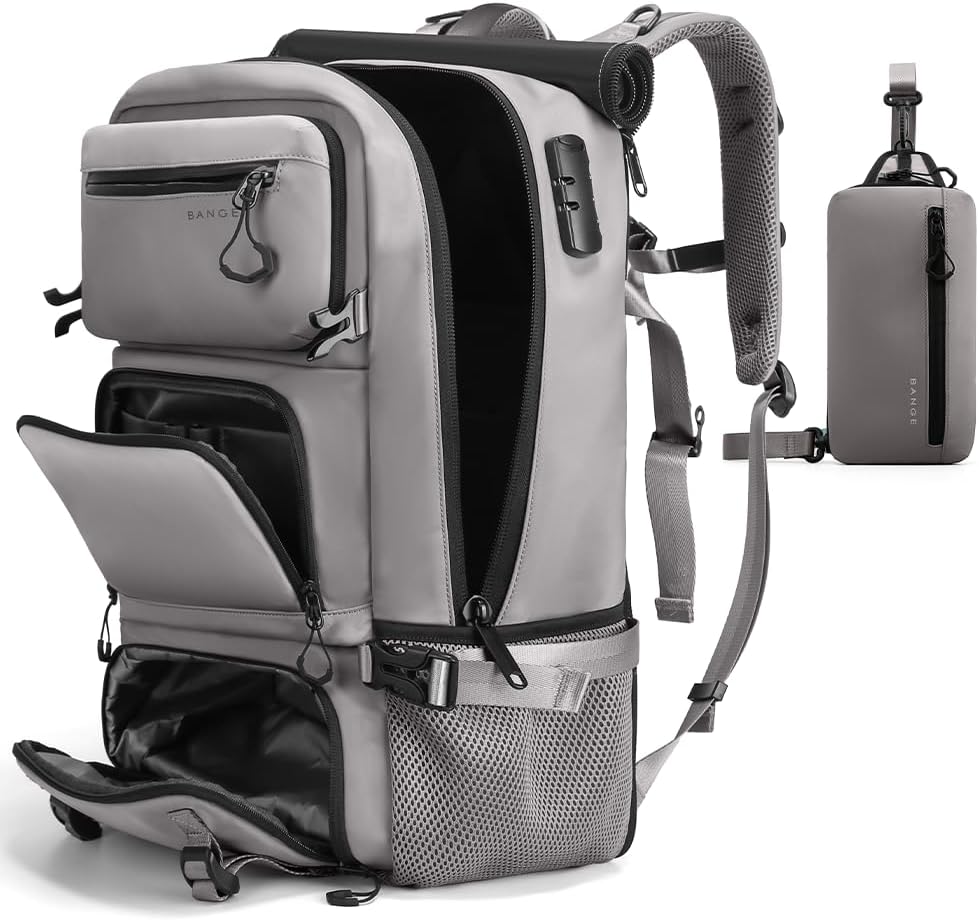
To move with true flexibility, you must adopt a strict carry-on philosophy. Investing in a flight-approved, maximum-capacity travel backpack allows you to entirely skip the check-in lines, sprint past baggage claim, and easily fit your gear into the trunk of a rental car, a train overhead compartment, or a long-distance bus. Pair your travel pack with a set of ultra-light packing cubes to compress your national team jerseys and separate your outdoor hiking gear from your city clothes. Traveling light is the ultimate secret weapon for seamless, stress-free continental exploration.

Conclusion: Crafting Your Perfect North American Itinerary
The 2026 World Cup presents a once-in-a-lifetime opportunity to witness sporting history while simultaneously exploring some of the most diverse, breathtaking destinations on earth. From the thunderous roar of Niagara Falls and the pristine wilderness of the Canadian Rockies to the sun-drenched beaches of the Florida Keys and the ancient, mythical pyramids of Mexico, this continent is your playground.
Don't let your rest days go to waste. By grouping your matches regionally, preparing your cross-border logistics in advance, and traveling light, you can seamlessly blend the euphoria of football with the adventure of a lifetime.
What is your ultimate dream destination to visit between matches?
Are you planning a road trip down the Californian coast, exploring ancient Aztec history, or chasing waterfalls in Canada? Let us know in the comments below! Be sure to prepare for your continental adventure by securing your Regional North America eSIM and your 40L travel backpack today so you can travel without limits!